
Information
Health Benefit of Fasting on Your Gut and how dates play an important role
Mar
When you fast, your gut resets itself. Scientist discovered that fasting triggers autophagy. Your brain literally begins consuming its own damaged cells. But here’s the miracle: after 12-16 hours (exactly when we break our fast), your brain switches to ketones; a “super fuel” that repairs neurons and may prevent Alzheimer’s.
Long-term fasting induces ketosis through glycogen depletion (usually within 12–36 hours), causing insulin to drop and glucagon to rise. This triggers massive lipolysis, releasing fatty acids that the liver converts via beta-oxidation and ketogenesis into ketone bodies (β-hydroxybutyrate, acetoacetate) as an alternative fuel for the brain and muscles.
Long term fasting induces deep metabolic shifts, including ketosis and autophagy, leading to improved insulin sensitivity, weight loss, reduced inflammation, and potential anti-aging effects.
Key Health Benefits of Extended Fasting
- Enhanced Autophagy and Cellular Repair: Prolonged fasting triggers a profound “clean-up” process, removing damaged cells and proteins, which may help with aging and disease prevention.
- Metabolic Reset and Weight Loss: Long term fasting efficiently deplete glycogen stores, forcing the body to switch to fat-burning (ketosis) and improving insulin sensitivity. The body switches from glucose metabolism to using stored fat when glycogen stores are exhausted. Low insulin levels, coupled with high glucagon, promote the breakdown of adipose tissue (lipolysis) and activate the enzymes needed for ketogenesis. Ketone bodies (specifically β-hydroxybutyrate and acetoacetate) are used by the brain, heart, and muscles, sparing protein and limiting muscle wasting.
- Reduced Inflammation: Extended fasting reduces markers of inflammation, supporting the management of chronic pain and autoimmune conditions.
- Cardiovascular and Metabolic Health: Long-term fasting has been shown to reduce blood pressure, decrease total cholesterol, and improve blood lipid profiles, reducing risks for metabolic syndrome.
- Potential Disease Protection: Research suggests that prolonged fasting can slow tumor growth, support cancer treatments, and reduce amyloid-beta proteins associated with neurodegenerative diseases.
Scientists were shocked to discover that Ramadan fasting completely resets your gut microbiome, the “second brain” controlling mood, immunity, and weight. Bad bacteria starve. Good bacteria flourish. The reduced nutrient availability and lower pH during fasting create a hostile environment for harmful bacteria, allowing diverse, beneficial species to thrive. By eliminating constant digestion, it allows the gut lining to repair and increases short-chain fatty acid (SCFA) production. Prolonged fasting (3-5 days) facilitates the regeneration of the intestinal lining (epithelium), helping to heal “leaky gut”. Fasting reduces reliance on carbohydrate-digesting bacteria and encourages bacteria that thrive on mucus, improving metabolic health and reducing systemic inflammation. Fasting also lowers inflammation, often improving gut-related symptoms like bloating, gas, and indigestion.

Dates Are Programmed for that Perfect Timing
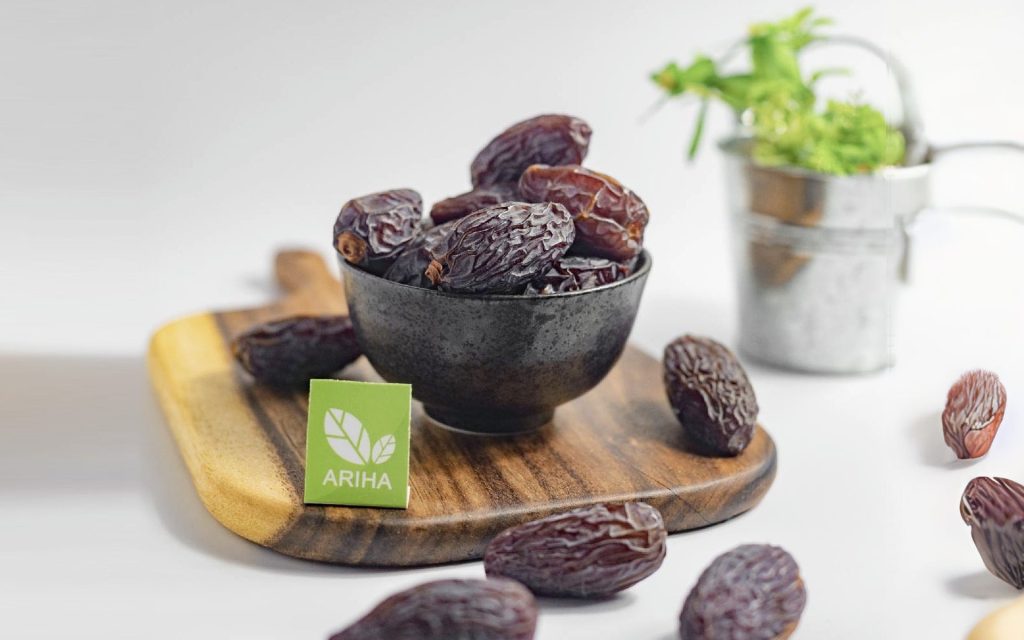
When you break fast with a date, something impossible happens: your blood sugar rises to normal – but not too high. Scientists found dates have a unique sugar structure that releases glucose slowly despite being sweet. Dates are the ideal, Sunnah-approved food to break a fast, providing an instant energy boost via natural sugars (glucose/fructose), restoring electrolyte balance (potassium), aiding digestion with fiber, and preventing overeating due to their nutrient density.
The Role of Dates in Fasting
- Instant Energy Boost: Dates are rich in glucose, fructose, and sucrose, providing an immediate surge of energy to combat fatigue and dizziness after hours of fasting.
- Rehydration and Electrolytes: Dates are high in potassium and other nutrients that help replenish electrolytes lost during fasting, assisting in rehydration when paired with water.
- Digestive Health: High fiber content helps regulate digestion and prevents constipation.
- Prevents Overeating: Consuming dates (typically 1–3) to break the fast helps control hunger, preventing overeating during the main Iftar meal.
- Nutritional Value: They provide essential vitamins, minerals (magnesium, copper, iron), and antioxidants, which support bone health, muscle function, and reduced lethargy.
The Prophet SAW said: “Break your fast with dates, for they are blessed.”
Modern science now shows why it’s literally the perfect biochemical key for a fasting body.
